
Introduction
One of the biggest challenges traders face is entering too early before a market move has fully developed. The concept of IC-CISD (Intracandle CISD) provides a structured way to avoid that mistake by allowing traders to identify when a higher-timeframe candle has likely completed its wick and is ready to expand in the intended direction.
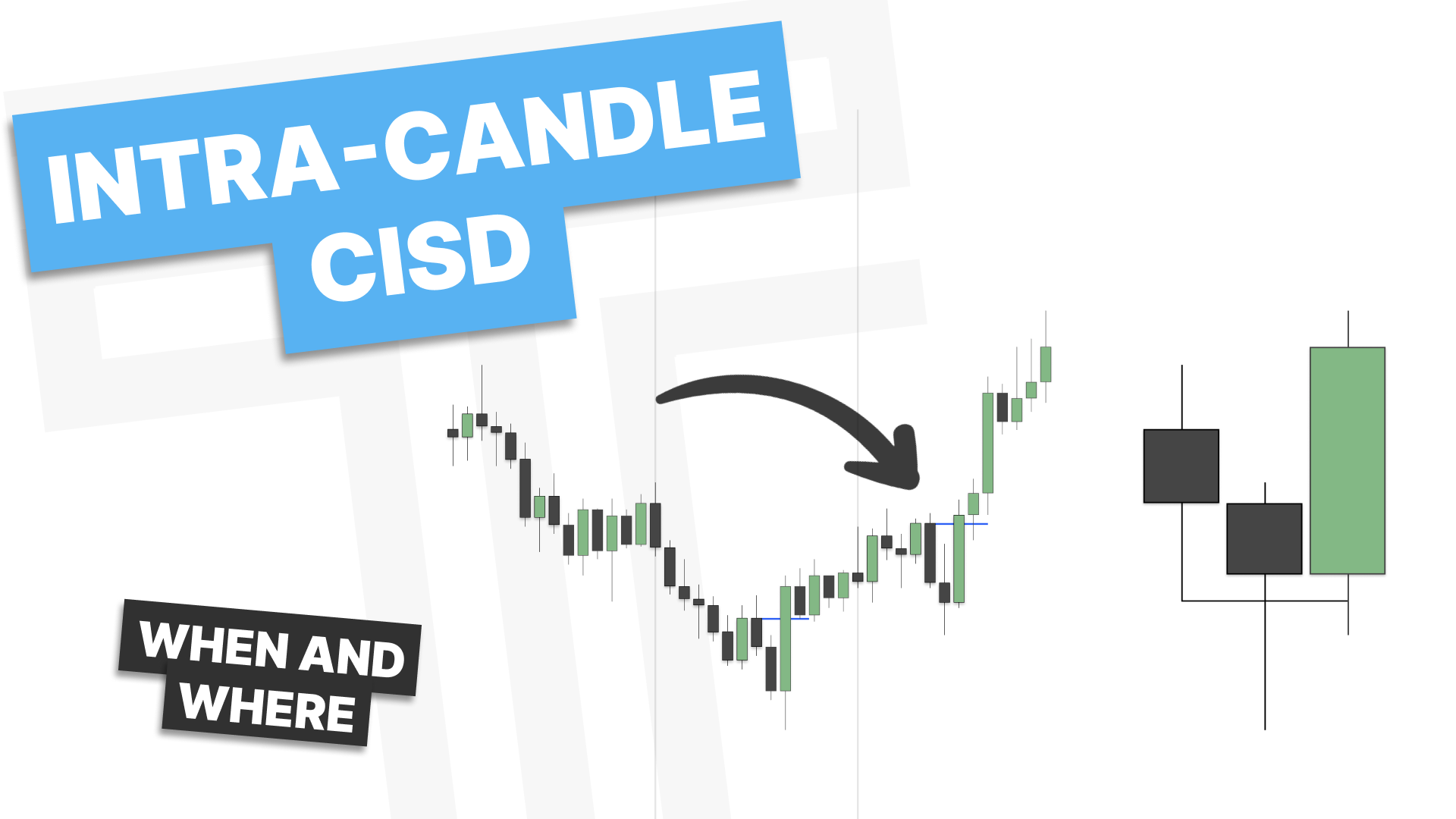
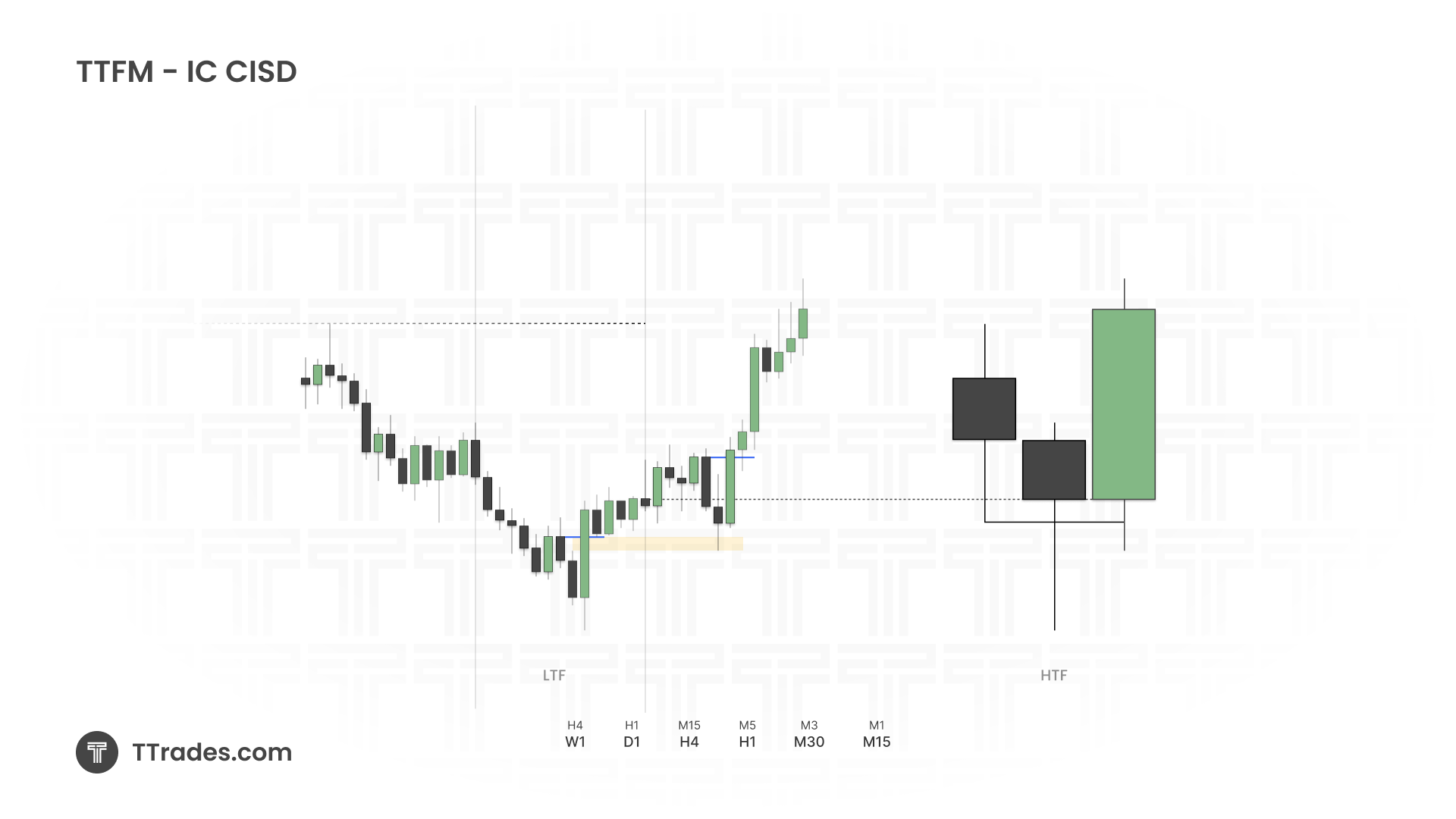
IC-CISD within the Fractal Model is a mechanical framework for identifying wick formation inside a higher-timeframe candle and then trading the candle’s body once the directional shift has been confirmed.
What Is a CISD?
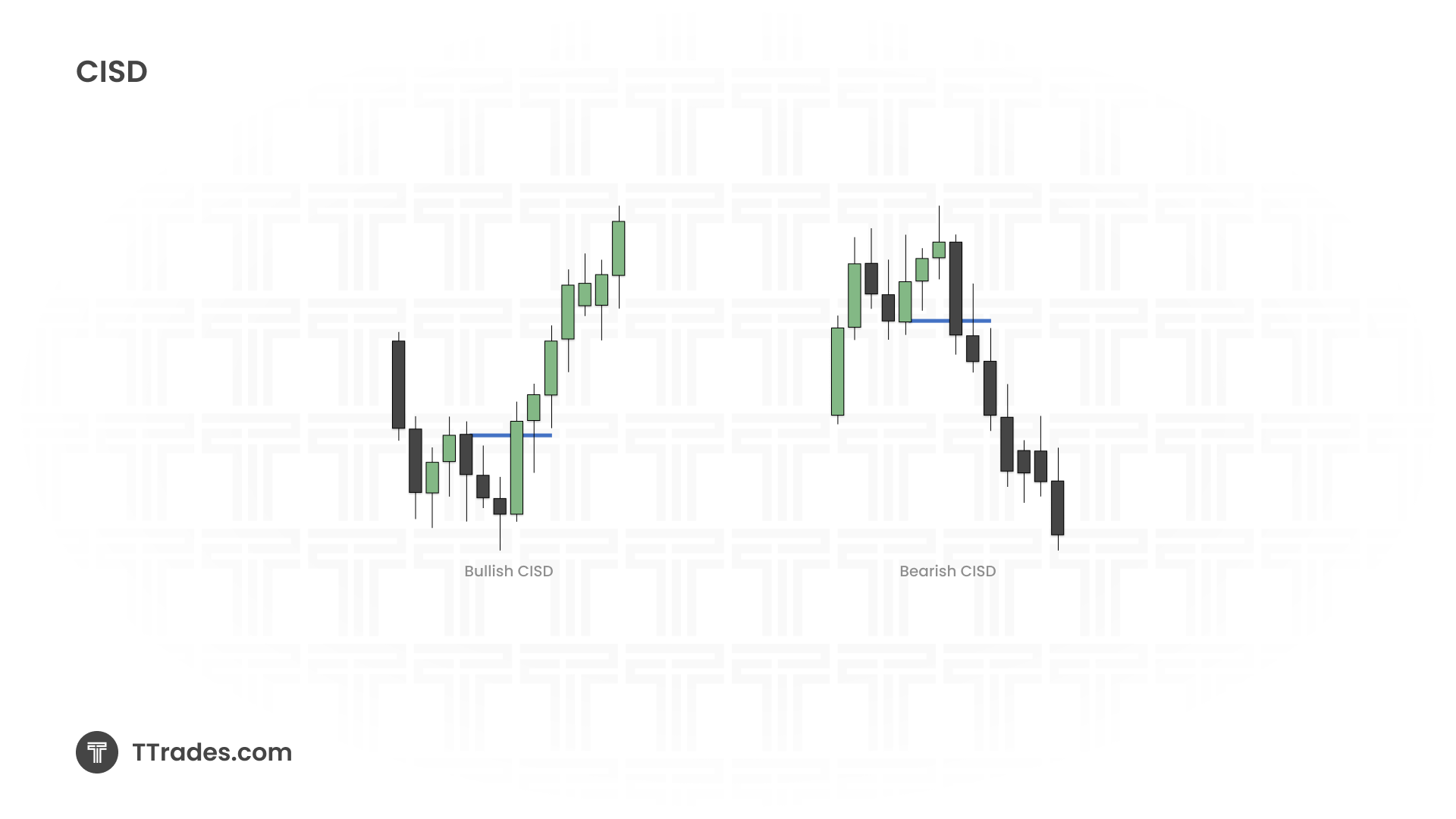
A CISD (Change in State of Delivery) is when price shifts from one directional delivery to another.
A CISD is present when:
- Price reaches a point of interest
- Price takes out liquidity forming a new high or low
- Price closes back through the candles that made that high or low.
What Makes IC-CISD Different?
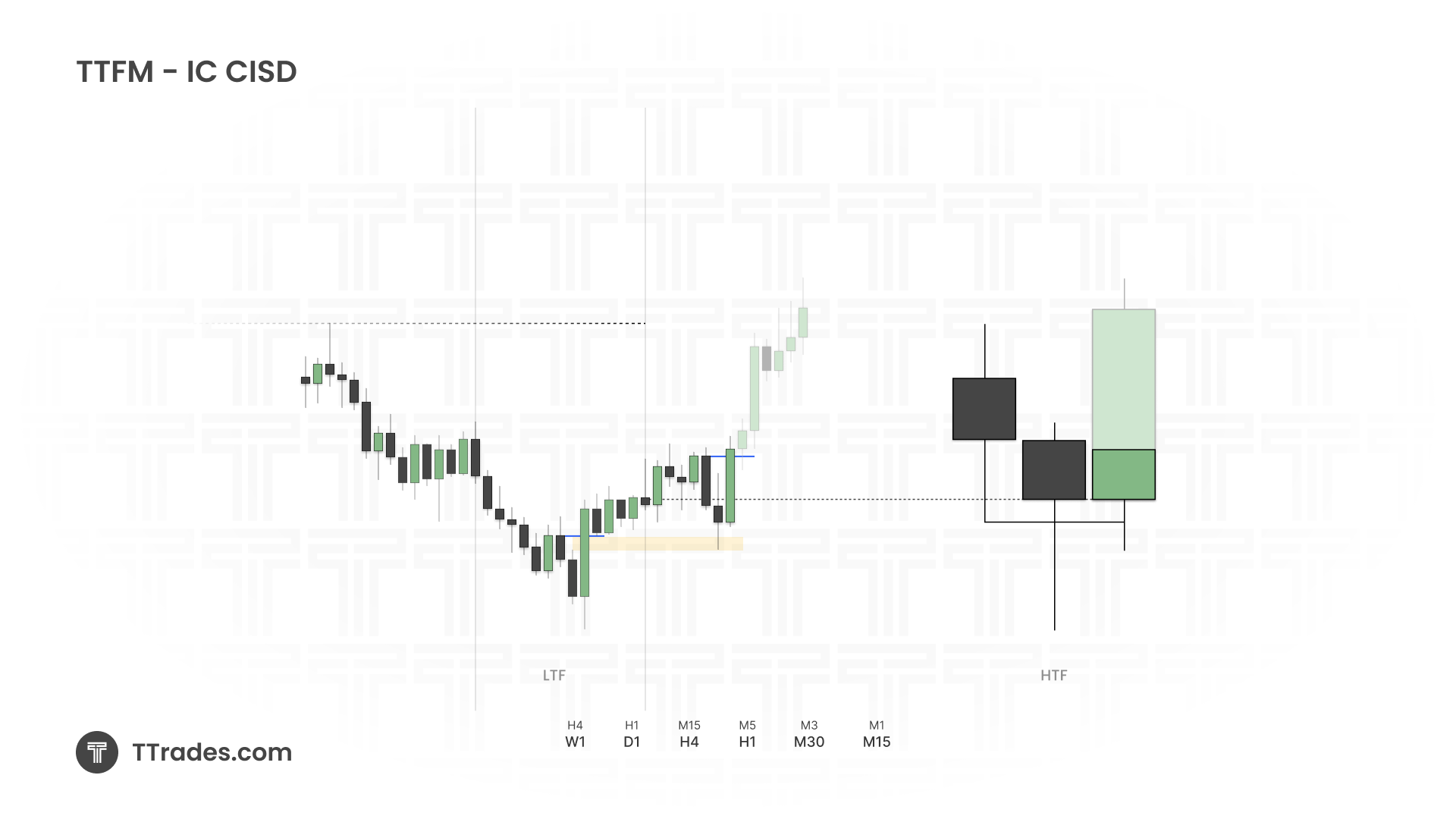
IC-CISD applies this concept inside a single higher-timeframe candle.
The idea is simple:
- A higher-timeframe candle opens
- Price initially moves against the intended direction, forming a wick
- Lower-timeframe price action trends in that opposing direction during the wick formation
- When a CISD occurs against that short-term move, the wick is considered complete
- From there, you look for continuation in the intended direction
Instead of guessing where the wick will form, IC-CISD gives you a confirmation that it has already formed.
The Logic Behind Wick Formation
For example, in a bullish scenario:
A higher-timeframe candle opens and pushes lower first. During that move down, lower-timeframe structure is bearish. That bearish expansion is what builds the lower wick.
You wait for:
- The bearish lower-timeframe structure to exhaust
- A bullish CISD to confirm the shift in delivery
- A continuation structure to develop
Once that happens, you can assume the lower wick has formed and begin looking for bullish expansion.
The same logic applies in reverse for bearish candles.
The Role of Protected Swings
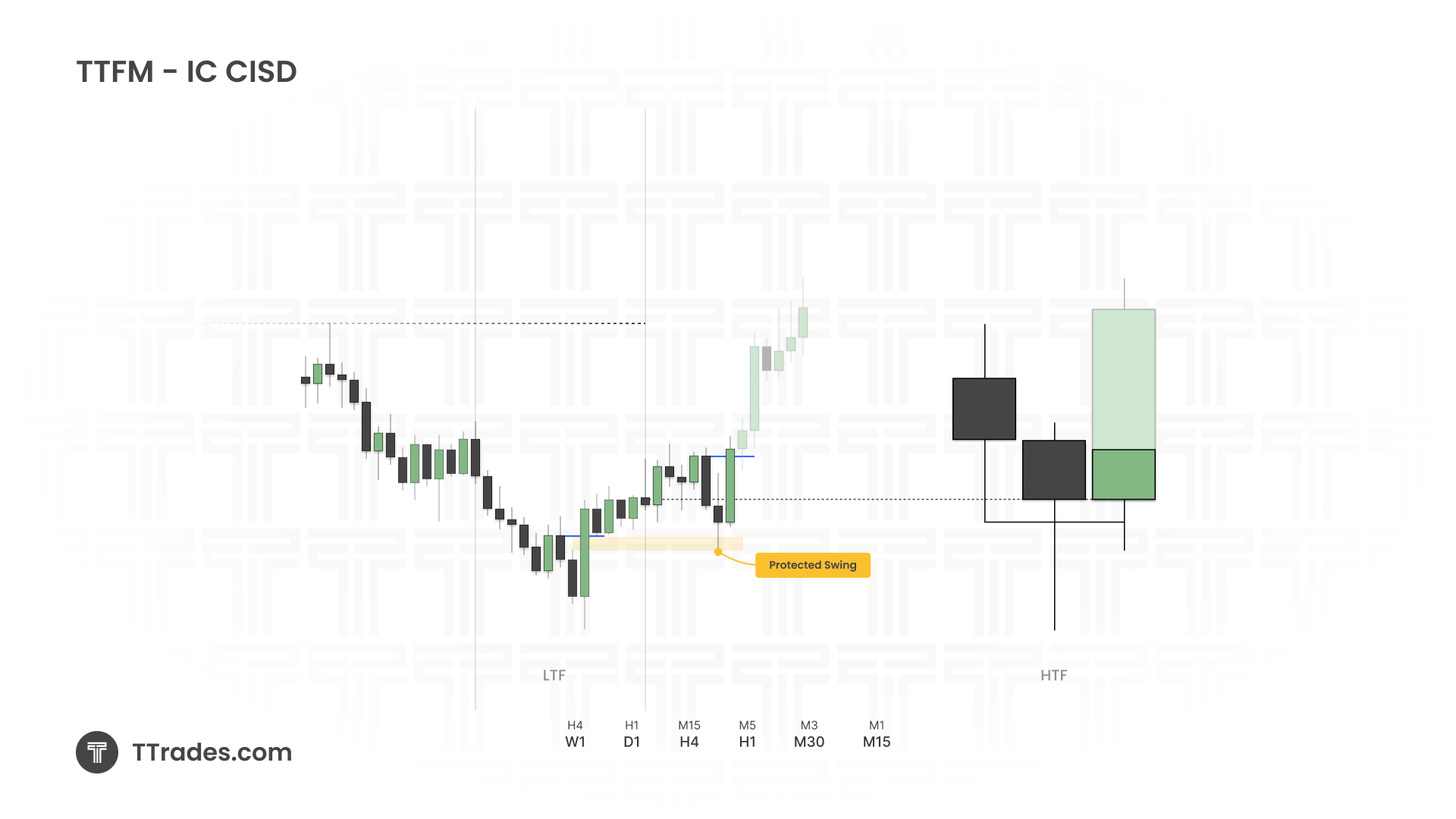
When IC-CISD forms, a swing high or low becomes protected.
This gives you:
- A clear reference point for invalidation
- A defined area to trade away from
- Confidence that the wick has formed
- A framework for targeting continuations
How to Identify an IC-CISD Setup
A simple breakdown looks like this:
- Establish directional bias
- Identify a key point of interest (FVG, previous high/low)
- Wait for price to reach that area
- Allow a lower-timeframe trend to form
- Wait for a CISD that breaks that opposing structure
- Confirm continuation
- Enter in the direction of higher-timeframe bias
The key is patience,you are not predicting the wick, you are waiting for confirmation that it has already formed.
Why Timing Matters
IC-CISD early in a candle tends to be the most powerful.
When the shift happens early:
- There is more time for expansion
- Moves tend to be larger
- Risk-to-reward improves significantly
When it happens late:
- Most of the candle range is already used
- Expansion is limited
- It’s often better to wait for the next candle
Trading the Body, Not the Wick
The core idea is simple:
Let the wick form first, then trade the body.
Instead of trying to pick the exact top or bottom, you:
- Let liquidity get taken
- Wait for the change in the state of delivery
- Confirm continuation
- Enter once direction is clear
This removes premature entries and forces confirmation.
Common Mistakes
Traders usually go wrong by:
- Entering before CISD confirmation
- Assuming a wick has formed without confirmation
- Trading against higher-timeframe bias
- Ignoring key points of interest
- Entering too late in the higher timeframe candle
Avoiding these keeps the model clean and mechanical.
Final Thoughts
IC-CISD is a structured way to identify when a higher-timeframe candle has likely completed its wick formation. Instead of predicting reversals, you wait for confirmation that the shift in delivery has already occurred.
The core principle is simple: let the market prove the wick has formed before you trade the body of the candle.