
Introduction
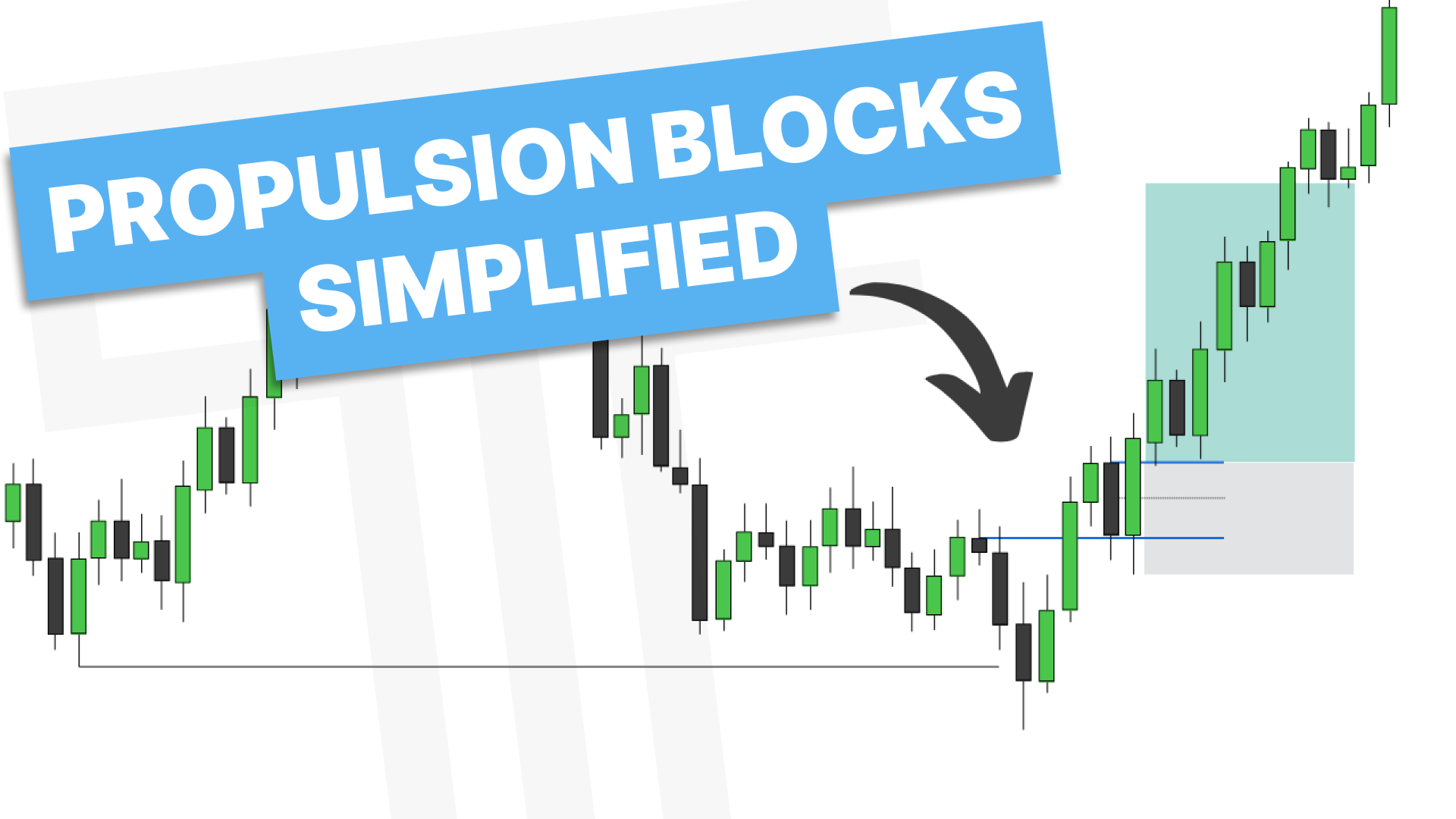
If you’ve been studying smart money concepts, you’ve probably heard of order blocks. Order blocks are key price areas where institutions accumulate positions before a move. But there’s a more refined concept built off order blocks called the propulsion block, which can give you even sharper trade entries and insights.
In this guide, we’ll quickly review order blocks, then dive deep into propulsion blocks with clear explanations and examples.
Quick Review of Order Blocks
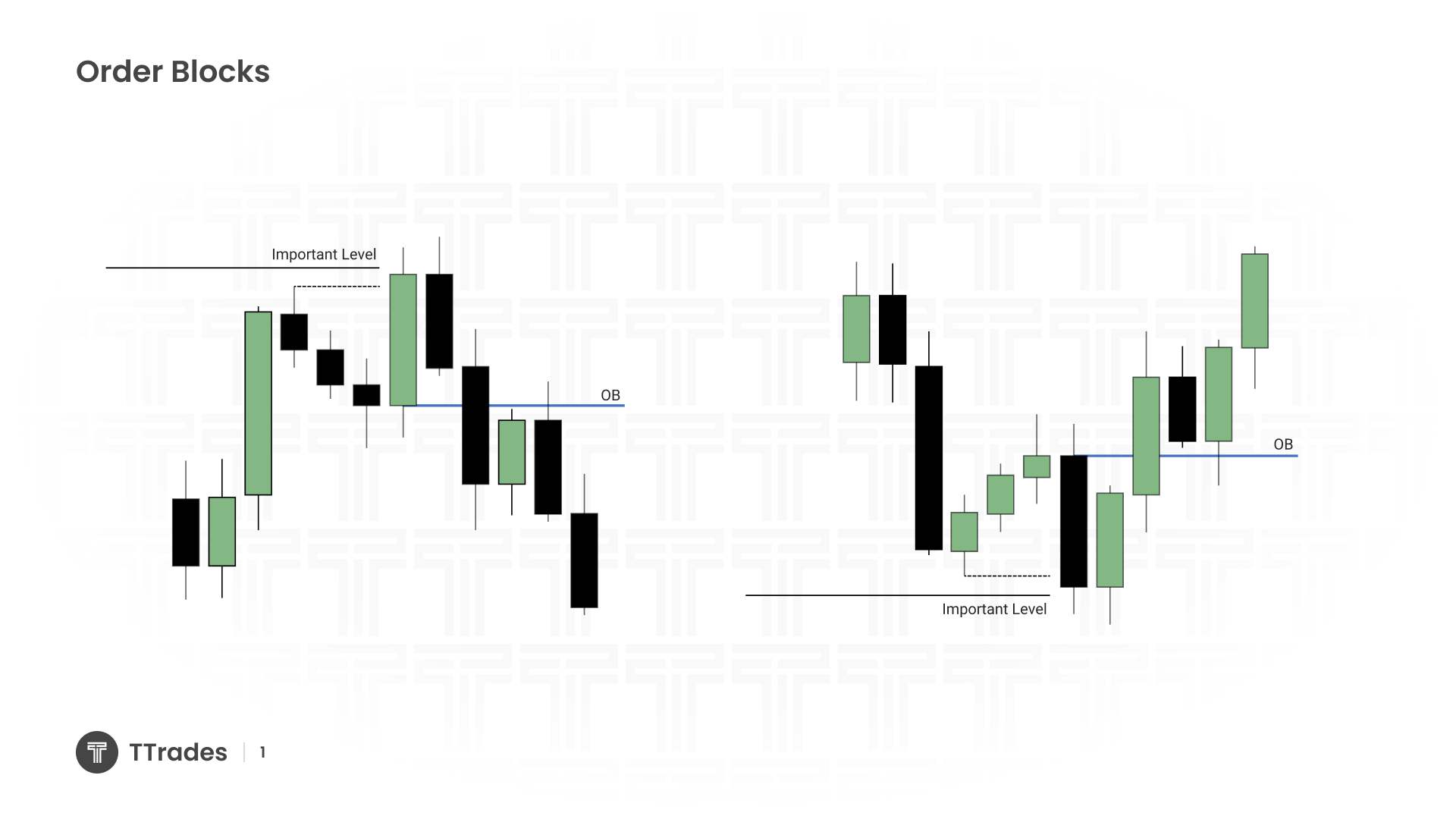
An order block is essentially the footprint of institutional activity.
Bearish order block: A series of up-close candles into an important level, followed by displacement lower and a close below the candle(s).
Bullish order block: A series of down-close candles into an important level, followed by displacement higher and a close above the candle(s).
When price returns to these areas, traders expect it to react and move away, since they represent institutional buying or selling zones.
What Is a Propulsion Block?
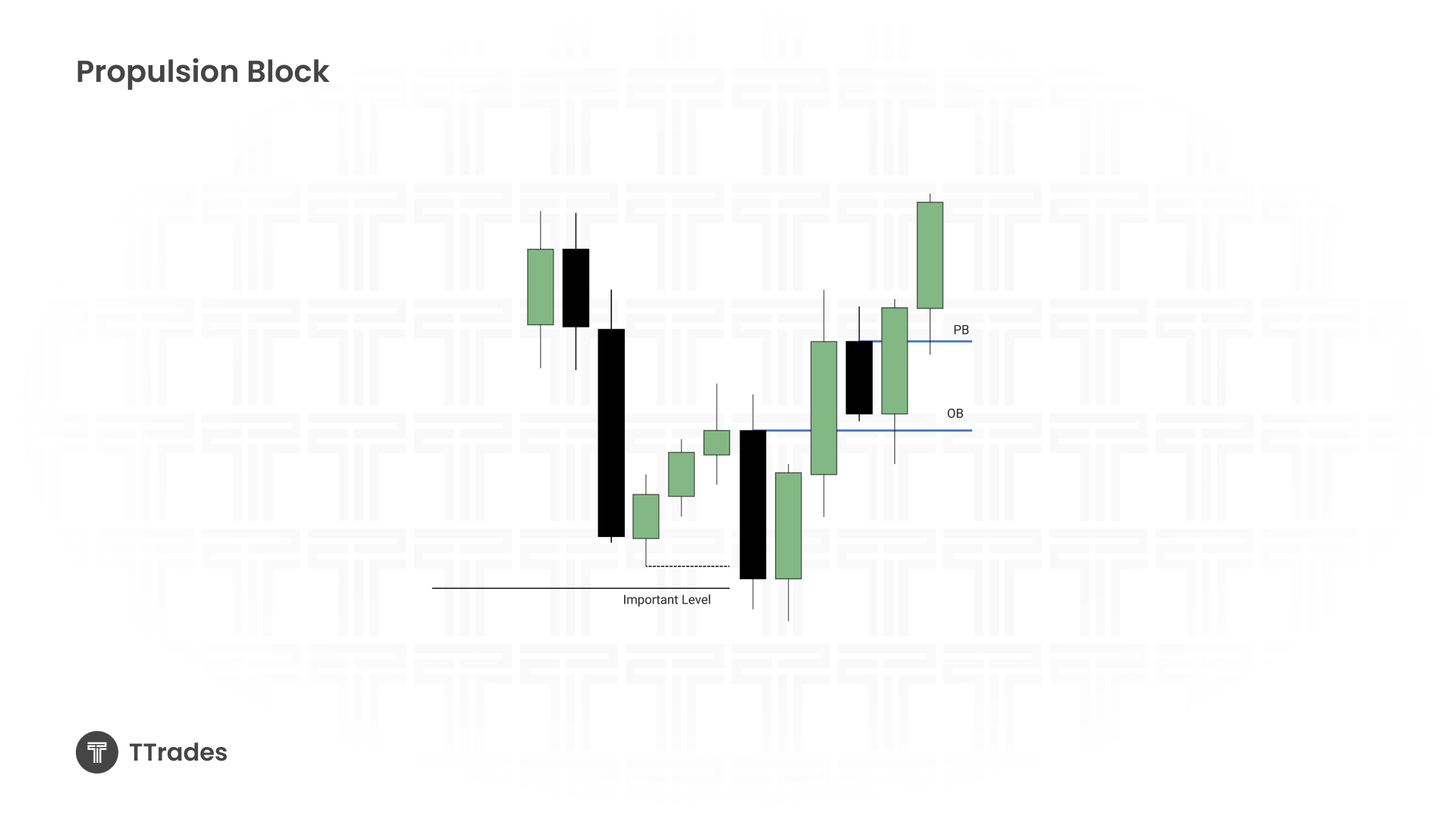
A propulsion block is an order block that forms directly off another order block.
Here’s the sequence:
Price forms a valid order block (bullish or bearish).
Price retraces into that order block.
A new opposite candle (down-close for bullish or up-close for bearish) forms inside the order block.
Displacement occurs, confirming a propulsion block.
Key things to note about propulsion blocks:
The opening price of the propulsion block is highly sensitive.
Price should not close beyond the mean threshold of the block.
They often act as refined levels, offering precision entries.
Practical Guidelines for Using Propulsion Blocks
Always confirm displacement before labeling a propulsion block.
Use the opening price as the primary entry reference.
Respect the mean threshold—if price closes beyond it, the block loses validity.
Combine with liquidity concepts (highs/lows sweeps, fair value gaps) for stronger confluence.
Conclusion
Propulsion blocks are simply an advanced evolution of order blocks, allowing traders to refine entries and understand institutional footprints more clearly. By focusing on sensitivity at the opening price and guarding against mean threshold violations, traders can use propulsion blocks as reliable continuation or reversal levels.